Urban Allergy Relief: Managing Symptoms in the NJ/NYC Metro Area
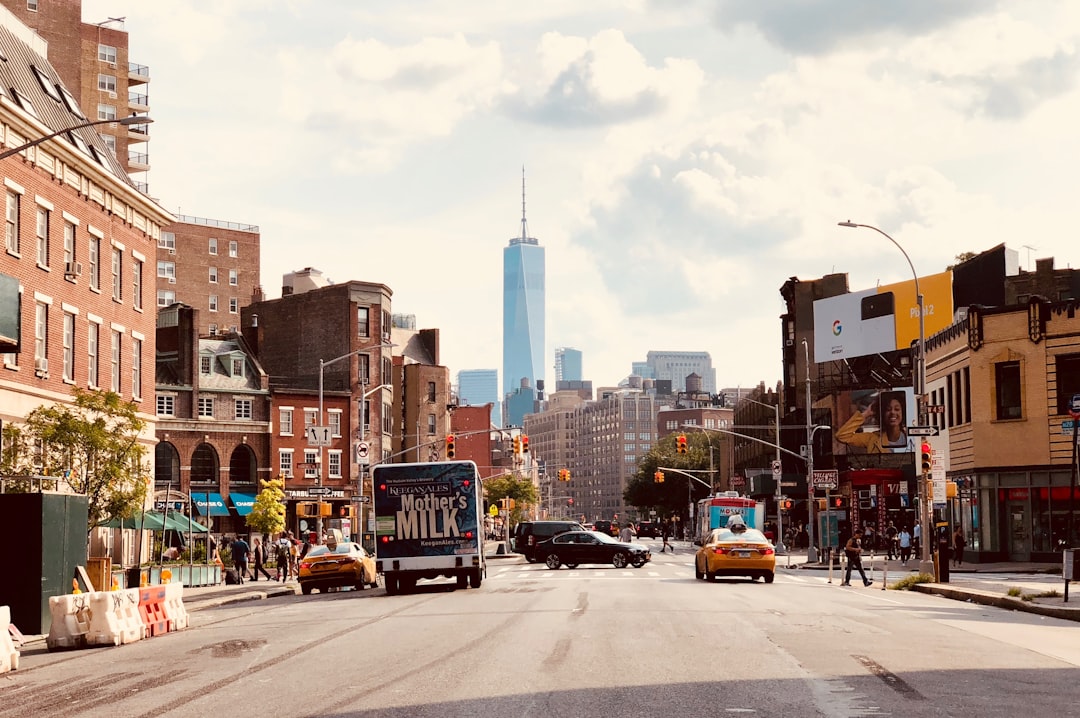
Living in the bustling NJ/NYC metro area offers incredible opportunities and vibrant experiences, but for many of us, it also comes with an unwelcome guest: chronic allergies. I know the feeling all too well – that constant battle against sneezing, itchy eyes, and a perpetually stuffy nose. Whether it's the relentless pollen counts, urban pollutants, or indoor allergens like dust mites and pet dander, finding effective relief can feel like a full-time job. We're constantly on the lookout for reliable options, from readily available over-the-counter allergy relief in NJ to specialized allergy medicine in West New York, all while trying to maintain our busy lives. Often, we even consider broader approaches, aligning with a Bergenline Ave wellness philosophy that emphasizes holistic well-being. My goal today is to share what I've learned about navigating this challenging landscape, helping you breathe easier and enjoy everything our dynamic region has to offer.
The Unique Challenges of Urban Allergies in Our Metro Area
Our densely populated, high-traffic environment presents a unique cocktail of allergy triggers that can make managing symptoms particularly difficult. It's not just about seasonal pollen anymore. We contend with a complex mix of vehicle exhaust, industrial pollutants, and ozone, all of which can irritate airways and exacerbate allergic reactions. This urban pollution can even interact with pollen, making it more potent and aggressive.
Beyond the outdoor onslaught, our tight living quarters and older buildings often harbor a higher concentration of indoor allergens. Dust mites thrive in the humidity, mold can be an issue in basements and bathrooms, and pet dander spreads easily in multi-unit dwellings. The constant influx of people also means a higher exposure to various triggers. It’s a multi-front war on our immune systems, and understanding these specific challenges is the first step toward finding lasting relief.
Finding Effective Over-the-Counter Allergy Relief in NJ
When those familiar allergy symptoms strike, many of us first turn to over-the-counter allergy relief in NJ, readily available at local pharmacies and supermarkets. The sheer number of options can be overwhelming, but understanding the different types can help you make an informed choice. I’ve personally tried many of them, always searching for that sweet spot of effectiveness without the dreaded drowsiness.
* **Antihistamines:** These are often the first line of defense. Newer generations like loratadine (Claritin), fexofenadine (Allegra), and cetirizine (Zyrtec) are known for being non-drowsy for most people, blocking histamine that causes sneezing, itching, and runny nose. Older antihistamines like diphenhydramine (Benadryl) are very effective but can cause significant drowsiness, making them better suited for nighttime use.
* **Nasal Sprays:** Corticosteroid nasal sprays (like Flonase or Nasacort) are incredibly effective for reducing nasal inflammation and congestion. They take a few days to reach full effect but provide comprehensive relief. Antihistamine nasal sprays (like Astepro) offer quicker relief for nasal symptoms.
* **Decongestants:** For stuffy noses, decongestants (like Sudafed or phenylephrine) can provide temporary relief by shrinking swollen blood vessels. However, they shouldn’t be used long-term and can sometimes elevate blood pressure.
My personal preference has always leaned towards the non-drowsy options during the day. Experimenting to find what works best for your body, perhaps starting with a modern antihistamine and a nasal spray, is often the most effective strategy for managing day-to-day symptoms without feeling sluggish.
Navigating Allergy Medicine Options in West New York and Beyond
While over-the-counter solutions are a great starting point, sometimes the severity of urban allergies calls for more targeted intervention. When I've found myself needing something more potent, exploring allergy medicine in West New York and surrounding areas has always been straightforward thanks to accessible pharmacies and healthcare providers. It’s about knowing when to escalate your approach and what resources are available.
For persistent or severe symptoms that aren't adequately controlled by OTC options, consulting a pharmacist or doctor is a wise next step. They can help you consider:
* **Prescription Antihistamines:** Stronger versions of oral antihistamines or alternative formulations might be available by prescription.
* **Leukotriene Modifiers:** Medications like montelukast (Singulair) target different inflammatory pathways and can be effective for both allergies and asthma.
* **Allergy Shots (Immunotherapy):** For truly chronic and severe allergies, immunotherapy can offer long-term relief by gradually desensitizing your body to specific allergens. This is a commitment, but many find it life-changing.
* **Epinephrine Auto-Injectors:** For those with severe allergic reactions (anaphylaxis) to certain triggers, having an EpiPen is crucial and can be prescribed by a doctor.
Whether you're looking for everyday allergy medicine in West New York or considering more advanced treatments, local healthcare professionals are your best allies. Don't hesitate to seek their expertise when your allergies start to significantly impact your quality of life.
Integrating Bergenline Ave Wellness into Your Allergy Management
Managing urban allergies isn't solely about popping a pill; it's about adopting a comprehensive approach to your well-being. This is where the concept of Bergenline Ave wellness really resonates with me – looking beyond immediate symptoms to create a healthier environment and lifestyle. It’s about proactive steps that can significantly reduce your exposure and bolster your body's defenses.
Beyond Medication: Lifestyle Adjustments for Allergy Sufferers
Incorporating these practices into your daily routine can make a big difference, complementing any medication you might be taking.
1. **Monitor Local Pollen Counts and Air Quality:** Websites and apps provide daily updates. On high-pollen days, try to limit outdoor activities, especially in the morning when pollen counts are highest.
2. **Optimize Indoor Air Quality:** Use high-efficiency particulate air (HEPA) filters in your vacuum cleaner and HVAC system. Consider getting an air purifier for your bedroom. Regularly clean and dust, especially in the bedroom, to minimize dust mites and pet dander.
3. **Regular Cleaning and Hygiene:** Shower after being outdoors to wash off pollen from your hair and skin. Wash bedding weekly in hot water to kill dust mites.
4. **Stay Hydrated:** Drinking plenty of water can help keep your nasal passages moist and thin mucus, making it easier to clear.
5. **Dietary Considerations:** While not a cure, some people find that reducing inflammatory foods or incorporating omega-3 rich foods can support overall immune health.
Embracing this type of comprehensive Bergenline Ave wellness approach means recognizing that every small step contributes to a larger picture of health. It’s about building resilience against the constant barrage of urban allergens.
People Also Asked: Your Top Allergy Questions Answered
It’s natural to have many questions when dealing with persistent allergies. Here are some of the most common inquiries I've encountered and my answers:
What are the best non-drowsy allergy medicines for urban areas?
For most people, newer generation antihistamines like loratadine (Claritin), fexofenadine (Allegra), and cetirizine (Zyrtec) are excellent non-drowsy options. Combining these with a corticosteroid nasal spray (like Flonase) often provides comprehensive relief without sedation.
How does urban pollution specifically affect allergies?
Urban pollution, like vehicle exhaust and industrial emissions, can irritate the lining of the nasal passages and airways, making them more susceptible to allergic reactions. It can also act as an adjuvant, making pollen more allergenic or extending its presence in the air, exacerbating existing allergies.
Can air purifiers really help with indoor allergies?
Yes, absolutely! Air purifiers equipped with HEPA filters can significantly reduce indoor allergens like dust mites, pet dander, mold spores, and pollen that have found their way inside. Placing one in your bedroom, where you spend a significant amount of time, can be particularly beneficial.
When should I see a doctor for my allergies?
You should consider seeing a doctor or allergist if your symptoms are severe, persistent, interfere with your daily life or sleep, or if over-the-counter medications aren't providing adequate relief. They can perform tests to identify specific allergens and discuss prescription-strength options or immunotherapy.
Are there natural remedies for urban allergies?
While not a substitute for medical treatment, some natural approaches can offer supportive relief. Nasal saline rinses (Neti pots) can help clear irritants, local honey (though evidence is mixed), and certain herbal teas might offer mild anti-inflammatory benefits. Always discuss natural remedies with your doctor, especially if you're taking other medications.
Conclusion
Living with allergies in the dynamic NJ/NYC metro area can be a real challenge, but it doesn't have to define your experience. By understanding the unique environmental factors at play, exploring effective options for over-the-counter allergy relief in NJ, confidently navigating choices for allergy medicine in West New York, and embracing a holistic Bergenline Ave wellness approach, you can take control of your symptoms. Remember, you don't have to suffer in silence. With the right strategies and a bit of persistence, you can find significant relief and fully enjoy everything our incredible region has to offer. Don't let allergies hold you back – take that next step towards clearer breathing and a more comfortable life.
